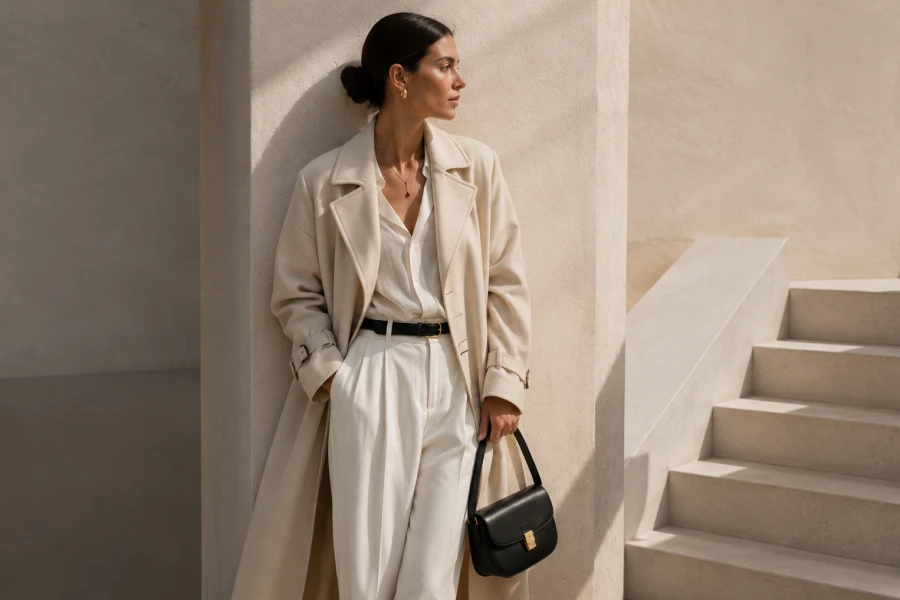
Timeless vintage fashion is less about collecting old clothes and more about choosing lasting ones. The right pieces bring texture, history, and a sense of intention into a modern wardrobe. They do not need to belong to one exact decade. They simply need to feel useful beyond a short trend cycle. A well-cut coat, soft leather bag, silk blouse, or tailored trouser can remain relevant for years. These pieces become valuable because you wear them repeatedly. They develop a relationship with your daily life. The goal is not to preserve a perfect archive. It is to build a wardrobe with personality, flexibility, and real staying power.
Construction is one of the clearest signs of lasting quality. Look at seams, linings, buttons, zippers, fabric weight, and finishing details. A garment does not need to be flawless to be worth keeping. It does need to be strong enough for real wear. Check whether the fabric has thinning areas or hidden damage. Notice how the garment hangs from the shoulders. Feel whether the material has enough structure to hold its shape. Good construction often gives an item its quiet presence. It can make simple clothing look more refined. The more carefully you inspect quality, the more thoughtful your wardrobe becomes.
A beautiful piece becomes more valuable when it has range. A vintage blazer should work with denim, trousers, and simple dresses. A leather bag should suit both weekday plans and evening dinners. A silk blouse should feel as natural with jeans as it does with a skirt. Before buying, imagine at least three outfits. This small habit prevents impulse purchases that remain unworn. It also helps you notice what your wardrobe actually needs. A versatile timeless style guide can help you build around useful combinations. Repetition is what turns a find into a true wardrobe piece.
A connected color palette makes vintage pieces easier to style. Cream, black, brown, denim, olive, navy, soft white, and muted red can work together beautifully. You do not need to avoid color. You simply need colors that can move easily through several outfits. A palette gives your wardrobe a quiet structure. It makes layering simpler. It also helps older pieces feel more integrated with modern basics. Notice which shades appear repeatedly in the clothes you already love. Use those as a guide when you shop. A coherent palette creates more combinations without requiring more items. It makes a collected wardrobe feel calm rather than crowded.
Texture adds richness without requiring extra decoration. Wool, silk, suede, leather, denim, linen, and knitwear each create a different mood. Pairing them thoughtfully can make simple colors feel much more interesting. Try smooth silk with worn denim. Wear a wool coat beside a polished leather bag. Combine a cotton shirt with a soft knit and structured trousers. These contrasts create dimension in a quiet way. They also make vintage pieces feel more connected to everyday clothes. A useful texture styling resource can help you notice those relationships. Material often communicates more than color alone.
Some vintage pieces need more care than others. Before buying, consider whether you can clean, store, repair, and wear the item properly. Delicate silk may require thoughtful handling. Leather may need conditioning. Wool may need careful storage. A garment that creates too much stress will rarely become a favorite. Choose pieces that fit your maintenance habits. You can still keep a few special items for occasional wear. Just make sure your everyday wardrobe remains practical. Good style should support your life rather than creating another responsibility. Care is part of ownership. It helps beautiful things remain useful for longer.
Modern basics keep vintage pieces from feeling frozen in time. Pair an older jacket with current denim. Wear a silk blouse with clean trousers and simple shoes. Use a vintage bag beside minimal outerwear. The contrast creates freshness. It also makes the older item feel more personal. You do not need to repeat every reference from the same era. One historical note is often enough. A thoughtful vintage wardrobe resource can help you find the right balance. The goal is not to dress like the past. The goal is to let the past add depth to the present.
Function is one of the strongest measures of timelessness. Ask whether the item works for your real schedule. Can you wear it to work, dinner, travel, or a casual afternoon? Does it move comfortably? Does it work with the shoes you already own? Does it fit the weather where you live? These questions are not boring. They protect you from collecting beautiful things that never leave the closet. The most enduring pieces are the ones you reach for naturally. They become part of your life because they solve a styling need while still feeling special. Usefulness gives clothing its lasting value.
Timeless wardrobes develop in layers. You do not need to find every important piece at once. Start with one coat, one bag, one blouse, or one pair of trousers that feels exceptional. Wear it often and learn how it behaves. Then add something that expands its possibilities. This slower method helps you avoid duplicates. It also creates more meaningful relationships with the things you own. Keep notes about what you wish you had when getting dressed. Let those needs guide future purchases. A good wardrobe is not built through urgency. It grows through attention and repetition.
Timeless does not mean fixed. Your lifestyle, taste, and needs can change over time. A coat you loved in one season may need different styling later. A blouse may move from workwear to weekend clothing. A bag may become more useful as your routine changes. Allow your wardrobe to evolve while keeping its strongest elements. The core can be your love of good fabric, clean lines, warm neutrals, or expressive details. That core gives you continuity without making your style rigid. Vintage fashion becomes most meaningful when it grows with you. It should hold history while leaving room for new chapters.



Leave a comment