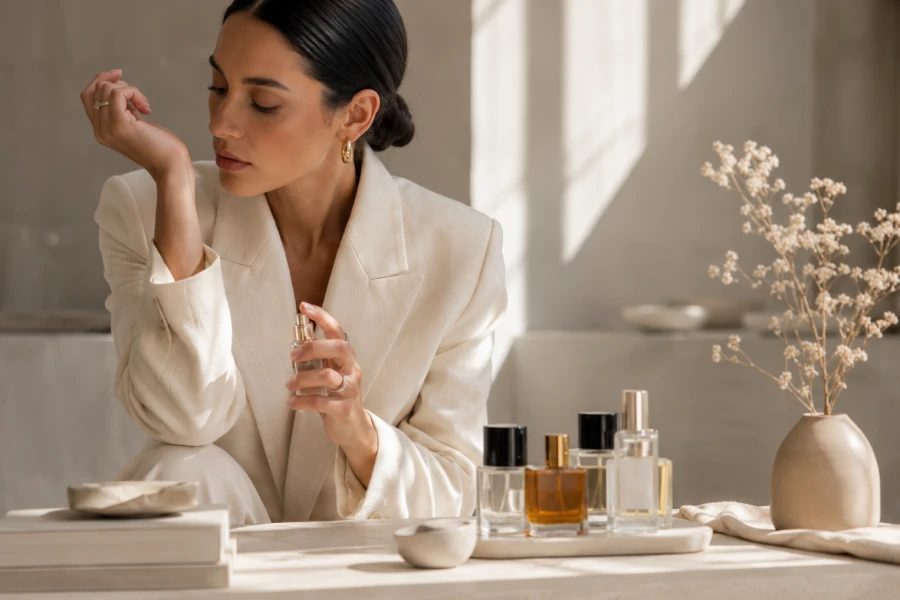
A perfume personality quiz can be useful when fragrance shopping feels too broad. It gives you a simple way to connect personal preferences with scent families. The goal is not to place you in a fixed category. The goal is to help you recognize patterns. You may be drawn to bright spaces, soft fabrics, deep woods, sweet warmth, or fresh air. Those preferences often influence the fragrances you enjoy. A quiz can turn vague reactions into clearer directions. It can also make sample testing feel less random. Think of it as a starting point for curiosity. Your own experience will always be the final answer.
You may lean toward fresh scents if you love crisp mornings and open windows. Citrus, green tea, clean musk, watery florals, and herbal notes may feel appealing. These fragrances often create a sense of energy and calm at once. They can feel polished without becoming heavy. You may prefer perfume that stays close to the skin. You may enjoy a scent that feels clean rather than sweet. Look for notes that suggest brightness, air, leaves, or light woods. Test them in warm weather and during busy days. They often work beautifully when you want fragrance to feel effortless. Fresh scents can become a quiet form of confidence.
You may prefer warm fragrances if you notice soft fabrics and cozy spaces. Vanilla, tonka, sandalwood, amber, soft spice, and creamy musk may feel familiar. These scents often create an intimate atmosphere. They can feel gentle, enveloping, and emotionally grounding. You may enjoy perfume most in the evening or colder months. You may be drawn to notes that resemble warmth rather than dessert. Try scents that balance sweetness with wood, spice, or skin-like musk. A thoughtful fragrance identity guide can help you compare those moods. Comforting perfume should feel welcoming, never overly heavy.
Floral fragrance can be much more varied than people expect. Rose can feel crisp, jammy, dark, or powdery. Jasmine can be luminous, creamy, green, or dramatic. Orange blossom can feel clean, sunny, and softly sweet. If you notice florals first, you may enjoy beauty with an emotional edge. You may care about atmosphere, color, and detail. Try comparing several floral styles rather than deciding you like or dislike the entire category. A green floral can feel very different from a warm white floral. Pay attention to whether you prefer petals, stems, pollen, or soft powder. Those distinctions will make testing more useful.
You may be drawn to depth if you like candlelight, old books, smoke, spice, or dark wood. Incense, leather, resin, patchouli, vetiver, tea, and amber may interest you. These scents often unfold slowly and reveal different textures over time. They can feel artistic, grounded, and memorable. You may prefer a fragrance that feels more private than immediately pretty. You may enjoy scents that become richer after an hour. Test them on quieter days when you have time to notice their development. Deeper perfumes often reward patience. Their beauty is usually more about atmosphere than instant brightness.
Some people prefer fragrance that feels almost invisible from a distance. Clean musk, soft woods, iris, rice, linen, cashmere, and gentle amber may appeal to you. These scents often create the impression of warm skin or fresh fabric. They can feel elegant because they do not compete with the rest of your look. You may enjoy a perfume that becomes noticeable only in close conversation. This style works well when you prefer restraint and consistency. A useful scent discovery guide can help you separate clean from bland. Subtle fragrance can still carry plenty of personality.
You may not fit neatly into one fragrance family. Perhaps you love citrus but also want smoke. Maybe you enjoy vanilla when it feels dry and woody. You may like florals only when they are green or mineral. This does not mean your preferences are confusing. It means you are responsive to contrast. Look for compositions that combine two different moods. A bright opening with a warm base may feel perfect. A soft floral with dark wood may create more interest than either alone. Let unexpected combinations surprise you. Personal style becomes more distinctive when it allows room for complexity.
Think beyond perfume notes when exploring your preferences. What rooms make you feel calm? Which fabrics do you reach for? What landscapes do you want to spend time in? A love of stone, linen, tea, and pale wood may point toward gentle woody fragrances. A love of leather, spice, and dark interiors may suggest deeper compositions. A love of gardens and sunshine may lead toward citrus or floral scents. These associations are useful because they come from your real life. They can make perfume descriptions more understandable. Your surroundings often reveal more than a personality label ever could.
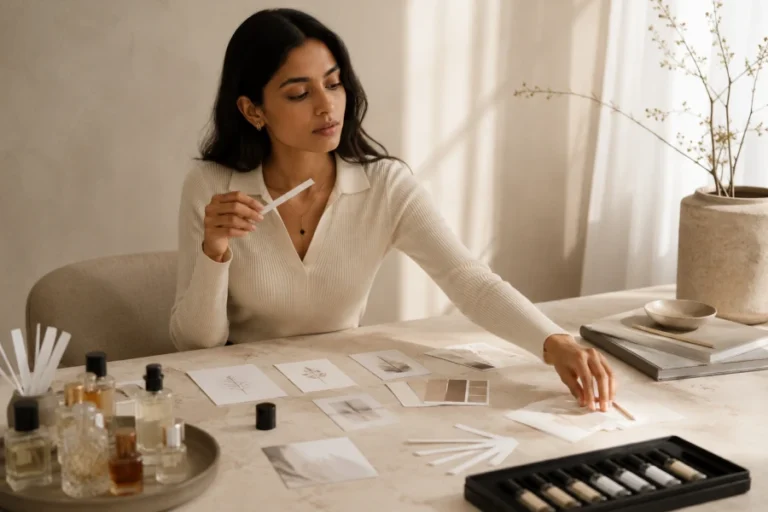
A quiz can suggest a direction, but skin tells the fuller story. Try several samples from the same family before deciding it suits you. Wear each one for a full day. Notice the opening, the middle, and the final drydown. Write down how it makes you feel. Record whether you want to smell it again. A thoughtful perfume exploration resource can keep your testing focused. The best result is not a perfect label. It is a clearer understanding of your own reactions. Curiosity is more valuable than certainty.
Your taste can change without becoming inconsistent. A scent you loved years ago may no longer fit your routine. A fragrance you once ignored may suddenly feel perfect. Different seasons and experiences can shift what feels comforting or exciting. Give yourself permission to explore without pressure. You may have one core scent personality and several smaller sides. That flexibility makes perfume more joyful. It also prevents you from turning fragrance into a strict identity test. The most personal scent is often the one that fits who you are now. Your preferences can grow while staying recognizably your own.



Leave a comment